
Introduction
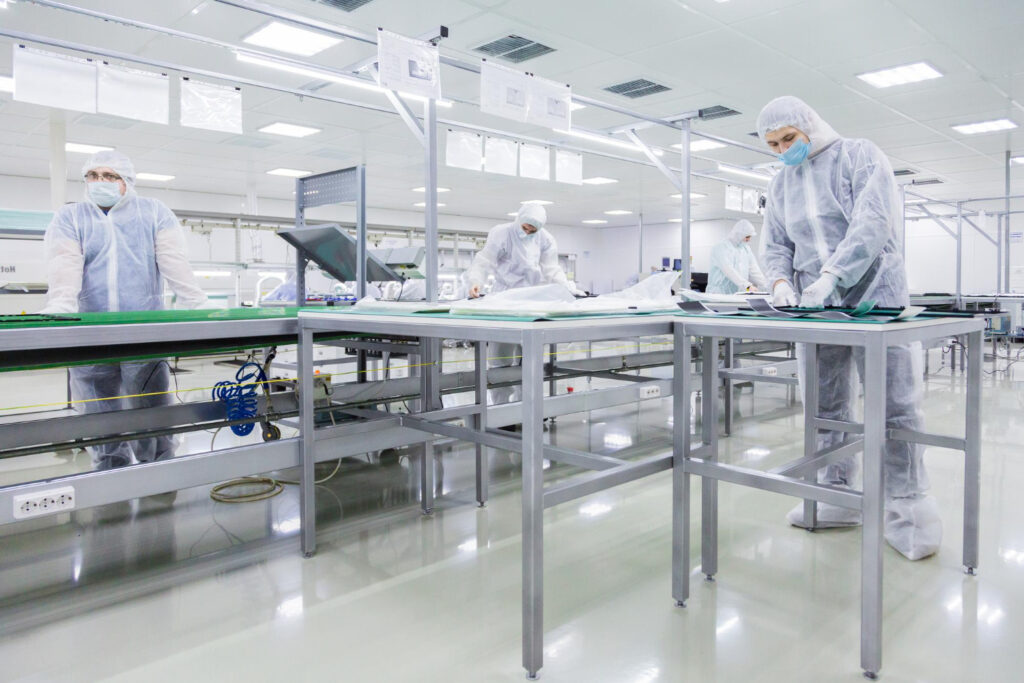
Indoor air quality plays a crucial role in maintaining safe and efficient industrial environments. Manufacturing plants, pharmaceutical facilities, laboratories, and cleanrooms often produce airborne particles, dust, and pollutants during operations. If these contaminants are not properly controlled, they can affect both worker health and product quality.
This is where airflow management in industrial facilities becomes essential. Proper airflow systems ensure that clean air circulates throughout the facility while contaminated air is removed efficiently.
Advanced HVAC equipment and airflow control systems help maintain proper ventilation, reduce airborne particles, and improve overall air quality. In this blog, we will explore how proper airflow management helps maintain healthy and productive industrial environments.
What Is Airflow Management?
Airflow management refers to the process of controlling the movement of air within a building or facility. In industrial environments, airflow systems are designed to maintain proper ventilation, regulate temperature, and remove airborne contaminants.
Airflow management systems work together with HVAC equipment such as Air Handling Unit, filtration systems, and airflow control components to maintain consistent air circulation.
Proper airflow distribution ensures that clean air reaches every part of the facility while polluted air is safely removed.
Importance of Airflow Management in Industrial Facilities
1. Improves Indoor Air Quality
One of the main purposes of airflow management is to improve indoor air quality. Industrial processes often generate dust, fumes, and other airborne particles that can contaminate the air.
Proper airflow systems help remove these pollutants and replace them with clean filtered air.
Equipment such as Air Handling Unit helps circulate air through filtration systems and maintain continuous air purification throughout the facility.
2. Controls Airborne Contamination
Airborne contamination can negatively impact both product quality and employee safety. In industries such as pharmaceuticals and electronics, even microscopic particles can damage products or disrupt manufacturing processes.
High-efficiency filtration equipment such as HEPA Terminal Box helps remove extremely small airborne particles from the air before it enters critical areas.
These filtration systems play an important role in maintaining contamination-free environments.
3. Ensures Proper Air Distribution
Efficient air distribution ensures that clean air reaches every corner of the facility. Without proper air distribution, certain areas may experience poor ventilation or accumulation of contaminants.
Air distribution systems such as Supply Return Air Diffuser and Supply/Return Air Grille help distribute air evenly throughout industrial spaces.
These systems allow clean air to flow smoothly while removing contaminated air from the environment.
4. Maintains Balanced Air Circulation
Balanced airflow is essential for maintaining proper ventilation within industrial facilities. Air circulation systems must ensure that fresh air enters the facility while contaminated air is removed efficiently.
Components such as Return Air Riser help collect used air and send it back to the HVAC system for filtration and recirculation.
This process helps maintain a continuous cycle of clean air circulation.
5. Regulates Air Pressure and Flow
In many industrial environments, maintaining correct air pressure levels is essential. Controlled pressure differences prevent contaminated air from entering clean areas.
Airflow control devices such as Volume Control Damper regulate the amount of air flowing through HVAC ducts and maintain pressure balance within the facility.
This ensures stable airflow and prevents contamination spread.
Supporting Systems That Improve Airflow Management
Air Shower
An Air Shower helps remove dust and particles from personnel before they enter controlled environments such as cleanrooms. This helps prevent contamination and improves indoor air quality.
Air Washer Unit
An Air Washer Unit helps improve air quality by removing pollutants and maintaining balanced humidity levels within the facility.
Dehumidifier Unit
Humidity control also plays a role in maintaining air quality. Excess moisture can lead to microbial growth and contamination.
A Dehumidifier Unit helps maintain proper humidity levels and supports overall environmental control.
Benefits of Proper Airflow Management in Industrial Facilities
Healthier Working Environment
Proper airflow reduces airborne pollutants and improves air quality for employees.
Improved Product Quality
Clean air helps protect sensitive products from contamination.
Better Energy Efficiency
Well-designed airflow systems improve HVAC performance and reduce energy consumption.
Regulatory Compliance
Many industries must follow strict environmental and safety regulations related to air quality.
Enhanced Operational Efficiency
Consistent airflow helps maintain stable production environments.
Best Practices for Industrial Airflow Management
To maintain efficient airflow systems, industrial facilities should follow several best practices:
- Install reliable Air Handling Unit systems
- Use high-efficiency filtration systems such as HEPA Terminal Box
- Maintain proper air distribution using Supply Return Air Diffuser and Supply/Return Air Grille
- Maintain airflow balance using Volume Control Damper
- Remove contaminated air using Return Air Riser
- Control humidity with Dehumidifier Unit systems
Regular maintenance of HVAC equipment is also essential to ensure efficient airflow performance.
Conclusion
Proper airflow management plays a vital role in improving indoor air quality in industrial facilities. Efficient airflow systems help remove airborne contaminants, maintain proper ventilation, and ensure a healthy working environment.
By using advanced HVAC equipment such as Air Handling Unit, Air Shower, Air Washer Unit, Dehumidifier Unit, HEPA Terminal Box, Return Air Riser, Supply Return Air Diffuser, Supply/Return Air Grille, and Volume Control Damper, industries can maintain clean and safe environments while improving operational efficiency.
Investing in effective airflow management systems ensures better air quality, improved productivity, and compliance with industry standards.
Contact Us
 +91 8484 836 337 | +91 7350 336 337
 sales@peterairs.com
 www.peterairs.com

