
Introduction
Cleanrooms are essential in industries where even the smallest airborne particle can affect product quality. Industries such as pharmaceuticals, biotechnology, electronics, and healthcare rely on cleanrooms to maintain strict environmental standards.
One of the most important factors in maintaining a cleanroom is proper HVAC design for cleanrooms. HVAC systems control airflow, filtration, humidity, and temperature inside the facility. Without a well-designed HVAC system, cleanrooms cannot maintain the required level of cleanliness and regulatory compliance.
In this blog, we will explore how HVAC design impacts cleanroom efficiency and why it plays a crucial role in meeting industry standards.
Understanding HVAC Systems in Cleanrooms
HVAC stands for Heating, Ventilation, and Air Conditioning. In cleanroom environments, HVAC systems are responsible for maintaining clean air and controlling environmental conditions.
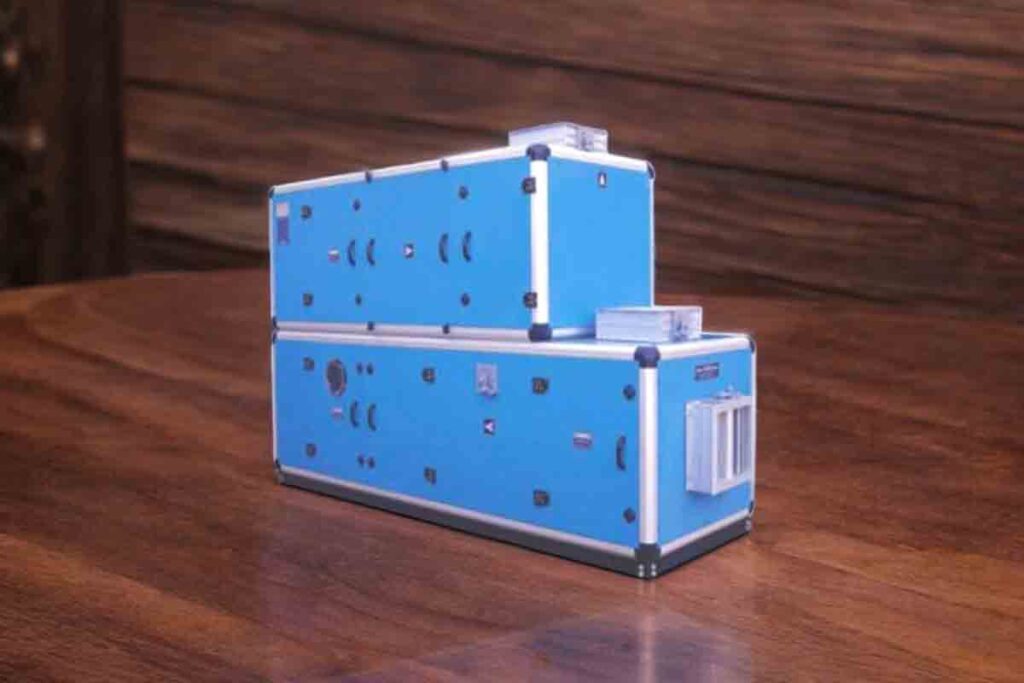
Cleanroom HVAC systems include equipment such as Air Handling Unit, HEPA Terminal Box, and airflow control components that work together to maintain the required cleanliness levels.
These systems continuously filter air and circulate it through the cleanroom to remove airborne particles and contaminants.
Importance of HVAC Design in Cleanroom Efficiency
1. Maintaining Air Filtration and Purity
Air filtration is one of the most important aspects of cleanroom HVAC systems. Cleanrooms require highly efficient filtration systems to remove microscopic particles from the air.
For example, HEPA Terminal Box units are used to filter airborne contaminants before air enters the cleanroom environment. These filters capture extremely small particles and ensure that only clean air circulates inside the facility.
Proper filtration helps maintain product safety and prevent contamination during manufacturing processes.
2. Controlling Airflow Direction
Airflow direction is critical for preventing contamination in cleanrooms. Proper airflow ensures that contaminants are removed from sensitive production areas.
Equipment such as Supply Return Air Diffuser and Supply/Return Air Grille helps distribute clean air evenly across the cleanroom. At the same time, systems like Return Air Riser remove contaminated air from the environment.
This controlled airflow prevents cross-contamination between different cleanroom zones.
3. Maintaining Proper Air Pressure
Cleanrooms rely on pressure differences to prevent contaminated air from entering controlled environments.
HVAC systems use airflow control equipment such as Volume Control Damper to regulate air pressure throughout the facility. Maintaining proper pressure ensures that clean air flows from cleaner zones to less clean areas.
This pressure control is essential for maintaining regulatory compliance and cleanroom classification standards.
4. Controlling Temperature and Humidity
Temperature and humidity levels must be carefully controlled in cleanroom environments. High humidity can cause microbial growth, while improper temperature levels can affect manufacturing processes.
Systems such as Dehumidifier Unit help maintain proper moisture levels inside cleanrooms. Additionally, Air Washer Unit systems help regulate humidity while improving overall air quality.
Maintaining stable environmental conditions improves both product quality and operational efficiency.
5. Preventing External Contamination
Personnel entering cleanrooms can carry dust and particles that contaminate the environment. Therefore, HVAC design often includes additional contamination control systems.
For example, Air Shower systems are installed at cleanroom entrances to remove dust particles from personnel before they enter the controlled environment.
This helps maintain the cleanliness of the facility and reduces contamination risks.
How HVAC Design Supports Cleanroom Compliance
Cleanrooms must comply with strict regulatory standards such as ISO cleanroom classifications and pharmaceutical manufacturing guidelines.
A properly designed HVAC system helps maintain:
- Controlled airflow patterns
- High-efficiency air filtration
- Proper pressure differentials
- Stable temperature and humidity levels
These factors are essential for meeting industry compliance requirements and maintaining cleanroom certification.
Benefits of Proper HVAC Design in Cleanrooms
Improved Contamination Control
Efficient filtration and airflow systems help remove harmful particles from the environment.
Higher Operational Efficiency
Stable environmental conditions support smooth manufacturing processes.
Regulatory Compliance
Well-designed HVAC systems help industries meet strict cleanroom standards.
Better Product Quality
Clean environments protect sensitive products from contamination.
Choosing the Right HVAC System for Cleanrooms
Selecting the right HVAC system depends on several factors, including:
- Cleanroom classification level
- Industry requirements
- Air filtration efficiency
- Temperature and humidity control
Working with an experienced cleanroom equipment manufacturer ensures that the HVAC system is properly designed for your facility.
Conclusion
HVAC design plays a vital role in maintaining cleanroom efficiency and regulatory compliance. Proper airflow management, filtration, temperature control, and humidity regulation are all essential for maintaining clean environments.
By using advanced HVAC equipment such as Air Handling Unit, Air Shower, Air Washer Unit, Dehumidifier Unit, HEPA Terminal Box, Return Air Riser, Supply Return Air Diffuser, Supply/Return Air Grille, and Volume Control Damper, industries can ensure efficient contamination control and reliable cleanroom performance.
Investing in the right HVAC design not only improves operational efficiency but also ensures compliance with strict industry standards.
Contact Us
📞 +91 8484 836 337 | +91 7350 336 337
📧 sales@peterairs.com
🌐 www.peterairs.com

