
Introduction
Cleanrooms are highly controlled environments designed to maintain extremely low levels of airborne particles. These environments are commonly used in industries such as pharmaceuticals, biotechnology, electronics, and healthcare. To achieve this level of cleanliness, advanced air filtration systems are required.
Two of the most widely used filtration technologies in cleanrooms are HEPA filters and ULPA filters. Both filters are designed to remove microscopic particles from the air and maintain high air purity levels.
However, many industries often ask the question: HEPA vs ULPA filters – which one is better for cleanroom applications? In this blog, we will compare both filtration systems and understand their role in maintaining cleanroom air quality.
Understanding Cleanroom Air Filtration
Cleanroom air filtration systems are designed to remove airborne contaminants such as dust, microorganisms, and microscopic particles. These systems work together with HVAC equipment to maintain controlled airflow and air purity.
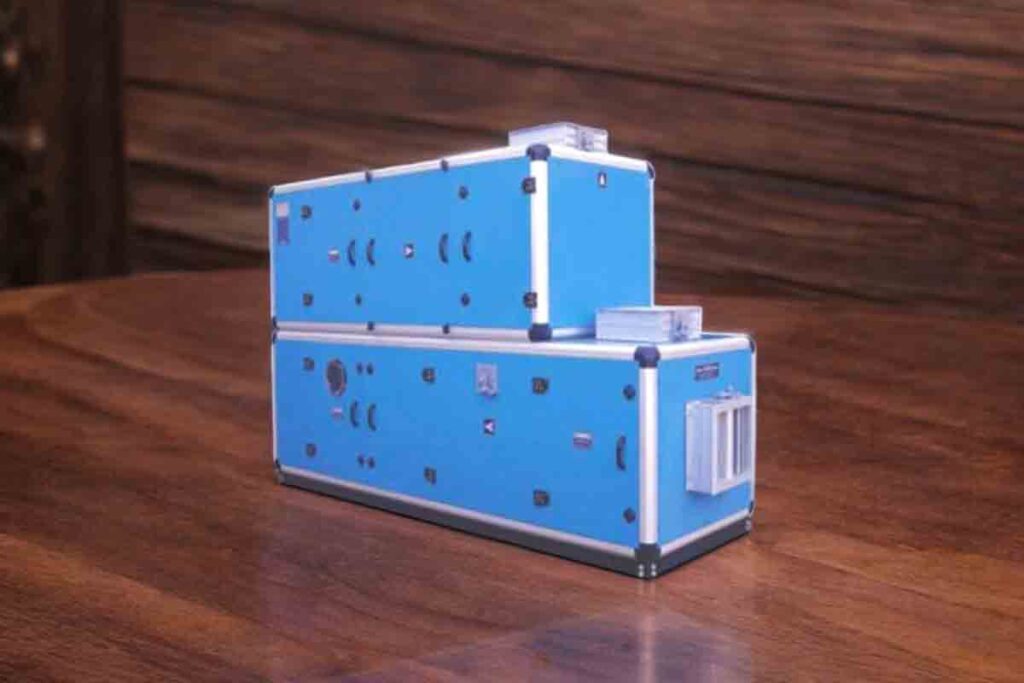
Cleanroom filtration systems often operate alongside components such as Air Handling Unit, HEPA Terminal Box, and airflow management equipment to ensure efficient air circulation.
Proper filtration is essential for maintaining contamination-free environments and protecting sensitive manufacturing processes.
What Are HEPA Filters?
HEPA stands for High Efficiency Particulate Air filter. These filters are widely used in cleanroom environments because they can remove extremely small particles from the air.
HEPA filters are capable of capturing 99.97% of particles as small as 0.3 microns. This level of filtration makes them ideal for pharmaceutical manufacturing, laboratories, and healthcare facilities.
In cleanroom HVAC systems, HEPA filters are commonly installed in equipment such as HEPA Terminal Box units to ensure high air filtration efficiency.
What Are ULPA Filters?
ULPA stands for Ultra Low Penetration Air filter. These filters provide even higher filtration efficiency compared to HEPA filters.
ULPA filters can capture 99.999% of airborne particles as small as 0.12 microns. Because of their extremely high efficiency, they are often used in industries where ultra-clean environments are required.
Examples include semiconductor manufacturing and advanced electronics production.
Key Differences Between HEPA and ULPA Filters
Filtration Efficiency
HEPA filters remove about 99.97% of airborne particles, while ULPA filters remove up to 99.999% of particles. Therefore, ULPA filters provide higher filtration efficiency.
Particle Size Filtration
HEPA filters capture particles as small as 0.3 microns, whereas ULPA filters capture even smaller particles around 0.12 microns.
This makes ULPA filters suitable for environments where extremely high cleanliness levels are required.
Airflow Resistance
ULPA filters are more efficient, but they also create higher airflow resistance. As a result, HVAC systems must work harder to maintain proper airflow.
Equipment such as Air Handling Unit and Volume Control Damper helps regulate airflow when high-efficiency filters are used.
Cost and Maintenance
HEPA filters are generally more cost-effective and widely used in many cleanroom environments. ULPA filters are more expensive and are typically used only in industries that require ultra-clean conditions.
Role of HVAC Systems in Filter Performance
Both HEPA and ULPA filters rely on well-designed HVAC systems to function efficiently.
HVAC components ensure that filtered air is distributed properly throughout the cleanroom.
For example:
- Supply Return Air Diffuser helps distribute filtered air evenly across the workspace.
- Supply/Return Air Grille assists in maintaining proper airflow distribution.
- Return Air Riser helps remove contaminated air from the cleanroom.
- Volume Control Damper regulates airflow and pressure balance.
Together, these systems help maintain consistent cleanroom conditions.
Additional Systems That Support Cleanroom Filtration
Cleanroom filtration systems often work with additional equipment to improve air quality and contamination control.
Air Shower
An Air Shower removes dust and particles from personnel before they enter the cleanroom, reducing contamination risks.
Air Washer Unit
An Air Washer Unit improves air quality by removing pollutants and maintaining humidity levels inside the facility.
Dehumidifier Unit
Humidity control is critical in cleanrooms. A Dehumidifier Unit helps maintain optimal moisture levels and prevents microbial growth.
Which Filter Is Better for Cleanroom Applications?
The choice between HEPA and ULPA filters depends on the specific industry requirements.
HEPA Filters Are Best For
- Pharmaceutical manufacturing
- Hospitals and laboratories
- Biotechnology facilities
- Medical device manufacturing
ULPA Filters Are Best For
- Semiconductor manufacturing
- Electronics production
- Aerospace applications
- Ultra-clean research environments
For most pharmaceutical and healthcare cleanrooms, HEPA filtration provides sufficient air purity while maintaining efficient airflow.
Benefits of High-Efficiency Cleanroom Filtration
Improved Contamination Control
High-efficiency filters remove harmful airborne particles from the environment.
Better Product Quality
Clean air helps protect sensitive products from contamination.
Compliance With Industry Standards
Proper filtration systems help industries meet cleanroom regulations and standards.
Safer Working Environment
Filtered air improves overall indoor air quality for employees.
Conclusion
Both HEPA and ULPA filters play an important role in maintaining cleanroom air quality. While ULPA filters provide higher filtration efficiency, HEPA filters are widely used in most cleanroom applications due to their reliability and cost effectiveness.
When combined with advanced HVAC equipment such as Air Handling Unit, Air Shower, Air Washer Unit, Dehumidifier Unit, HEPA Terminal Box, Return Air Riser, Supply Return Air Diffuser, Supply/Return Air Grille, and Volume Control Damper, these filtration systems help maintain clean and controlled environments.
Choosing the right filtration system ensures efficient contamination control, regulatory compliance, and safe manufacturing processes.
Contact Us
 +91 8484 836 337 | +91 7350 336 337
 sales@peterairs.com
 www.peterairs.com

