
Introduction
In pharmaceutical manufacturing, maintaining a controlled environment is critical for product quality, regulatory compliance, and patient safety. Every component of a cleanroom contributes to contamination control, including walls, ceilings, HVAC systems, flooring, and doors. Among these components, modular clean room doors play a vital role in preserving cleanliness levels and maintaining pressure differentials between controlled areas.
As pharmaceutical facilities continue to adopt advanced cleanroom technologies, the demand for high-quality modular clean room doors manufacturers has increased significantly. These doors are specifically engineered to minimize contamination risks while supporting efficient movement of personnel and materials.
This guide explains the importance of modular clean room doors, their key features, applications, benefits, and factors to consider when selecting the right solution for pharmaceutical facilities.
What Are Modular Clean Room Doors?
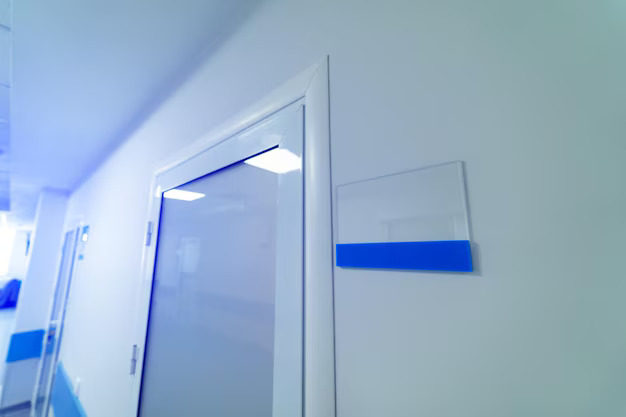
Modular clean room doors are specially designed doors used in controlled environments where contamination control is essential. Unlike conventional industrial doors, cleanroom doors are manufactured with smooth surfaces, airtight sealing systems, and specialized materials that reduce particle accumulation and support stringent cleanliness requirements.
These doors are commonly installed in pharmaceutical manufacturing plants, biotechnology facilities, research laboratories, healthcare institutions, and electronics manufacturing units.
The primary objective of a cleanroom door is to maintain environmental integrity by controlling airflow, pressure differentials, temperature, and humidity within the cleanroom.
Why Clean Room Doors Are Important in Pharmaceutical Facilities
Pharmaceutical products are highly sensitive to contamination. Even microscopic particles can affect product quality, safety, and regulatory compliance.
Cleanroom doors help achieve:
1. Contamination Prevention
A properly designed cleanroom door minimizes the entry of dust, microbes, and airborne contaminants.
2. Pressure Management
Pharmaceutical cleanrooms often operate under positive or negative pressure conditions. Airtight cleanroom doors help maintain these pressure differentials.
3. GMP Compliance
Good Manufacturing Practice (GMP) regulations require pharmaceutical facilities to maintain controlled environments. Cleanroom doors support compliance with these requirements.
4. Controlled Personnel Movement
Cleanroom doors facilitate safe movement of operators, materials, and equipment while minimizing contamination risks.
Essential Features of Modular Clean Room Doors
1. Smooth and Flush Surface Design
Cleanroom doors are manufactured with smooth surfaces that prevent dust accumulation and simplify cleaning procedures.
2. Airtight Sealing System
High-quality gaskets and sealing mechanisms help maintain pressure differentials and reduce air leakage.
3. Durable Construction
Materials commonly used include:
- Powder-coated galvanized steel
- Stainless steel
- High-pressure laminate (HPL)
- PUF insulated panels
These materials offer excellent durability and resistance to corrosion.
4. Vision Panels
Many pharmaceutical doors include flush-mounted glass vision panels that improve visibility while maintaining cleanliness.
5. Fire Resistance
Depending on facility requirements, cleanroom doors may incorporate fire-resistant features to improve safety.
6. Easy Maintenance
Cleanroom environments require regular sanitization. Modular doors are designed for quick cleaning and minimal maintenance.
Types of Pharmaceutical Cleanroom Doors
1. Single Leaf Cleanroom Doors
Suitable for personnel entry and exit points.
2. Double Leaf Cleanroom Doors
Used in areas requiring movement of larger equipment and materials.
3. Sliding Cleanroom Doors
Ideal for space-constrained environments.
4. Interlocking Doors
Frequently used in airlock systems to prevent simultaneous door opening and maintain environmental control.
5. Automatic Cleanroom Doors
Designed for high-traffic areas requiring touch-free operation.
Applications of Modular Clean Room Doors
1. Pharmaceutical Manufacturing
Cleanroom doors help maintain sterile conditions in production and packaging areas.
2. Biotechnology Facilities
Used in research and development laboratories where contamination control is essential.
3. Healthcare and Hospitals
Installed in operation theatres, isolation rooms, and sterile processing units.
4. Food Processing Industries
Support hygiene standards and contamination control requirements.
5. Electronics Manufacturing
Protect sensitive electronic components from particulate contamination.
Benefits of Choosing High-Quality Cleanroom Doors
1. Improved Contamination Control
Specialized construction reduces the risk of airborne contamination.
2. Enhanced Regulatory Compliance
Supports GMP, ISO, and cleanroom standards.
3. Better Operational Efficiency
Facilitates smooth movement of personnel and materials.
4. Long-Term Durability
High-quality materials provide reliable performance and lower maintenance costs.
5. Energy Efficiency
Proper sealing helps reduce HVAC energy losses and improves environmental control.
Factors to Consider When Selecting a Clean Room Door Manufacturer
Choosing the right clean room door manufacturer is essential for achieving long-term performance and compliance.
Consider the following:
1. Industry Experience
Select manufacturers with expertise in pharmaceutical and cleanroom applications.
2. Material Quality
Evaluate door construction materials and their suitability for your environment.
3. Compliance Standards
Ensure products comply with GMP, ISO, and relevant industry regulations.
4. Customization Options
Every facility has unique requirements. Manufacturers should offer customized solutions.
5. Installation Support
Professional installation contributes significantly to cleanroom performance.
6. After-Sales Service
Reliable maintenance and technical support improve long-term value.
Why Modular Clean Room Doors Are a Smart Investment
Investing in high-performance modular clean room doors helps pharmaceutical facilities maintain product quality, achieve regulatory compliance, and reduce contamination risks. As cleanroom requirements become increasingly stringent, advanced door systems provide a reliable solution for maintaining controlled environments.
Organizations planning new cleanroom projects or facility upgrades should prioritize door systems that offer durability, airtight performance, and compatibility with modern HVAC and contamination control systems.
Conclusion
Modular clean room doors are a critical component of pharmaceutical cleanroom infrastructure. Their ability to maintain contamination control, support pressure management, and enhance regulatory compliance makes them an essential investment for modern pharmaceutical facilities. By selecting a reliable clean room door manufacturer and choosing doors designed for GMP environments, organizations can ensure long-term operational efficiency and product safety.
Contact Us
 +91 8484 836 337 | +91 7350 336 337
 sales@peterairs.com
 www.peterairs.com

